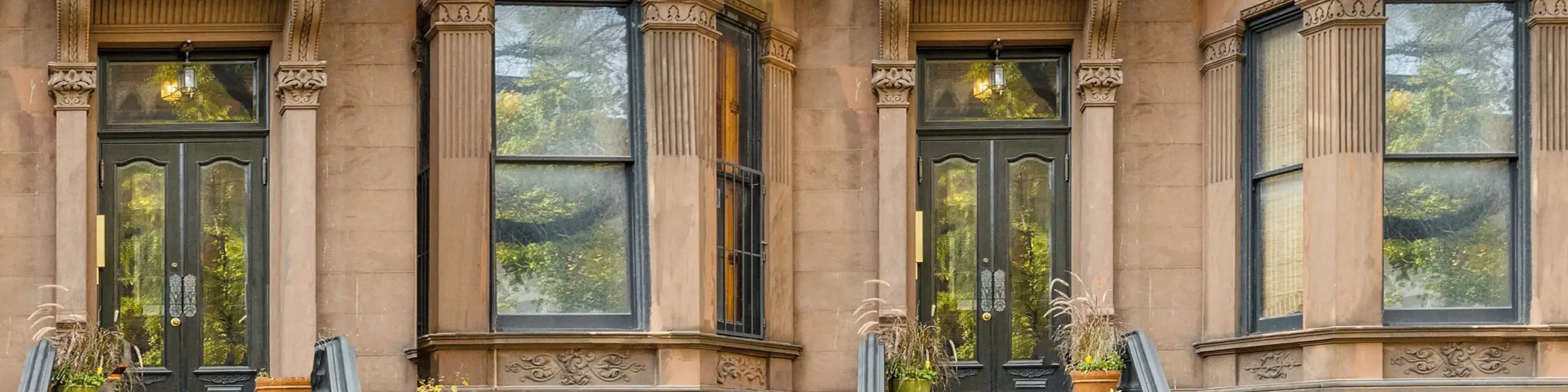
Selling Your Park Slope Brownstone: Your Questions Answered
If you’re thinking of listing your Park Slope brownstone, you probably have questions—especially if it’s your first time selling. The process can seem overwhelming, but a baseline understanding of what to do and what to watch out for goes a long way.
Whether you’ve owned your brownstone for five years or 50, selling is one of the biggest financial decisions you’ll make. Park Slope has its own rhythms, buyer pool, and dynamics, and getting the details right matters. This guide walks you through the most common questions we hear from sellers along with the answers you need to confidently move forward.
Here’s what we cover, with full answers below:
Table of Contents
Before You List
What makes Park Slope brownstones different from other Brooklyn properties?
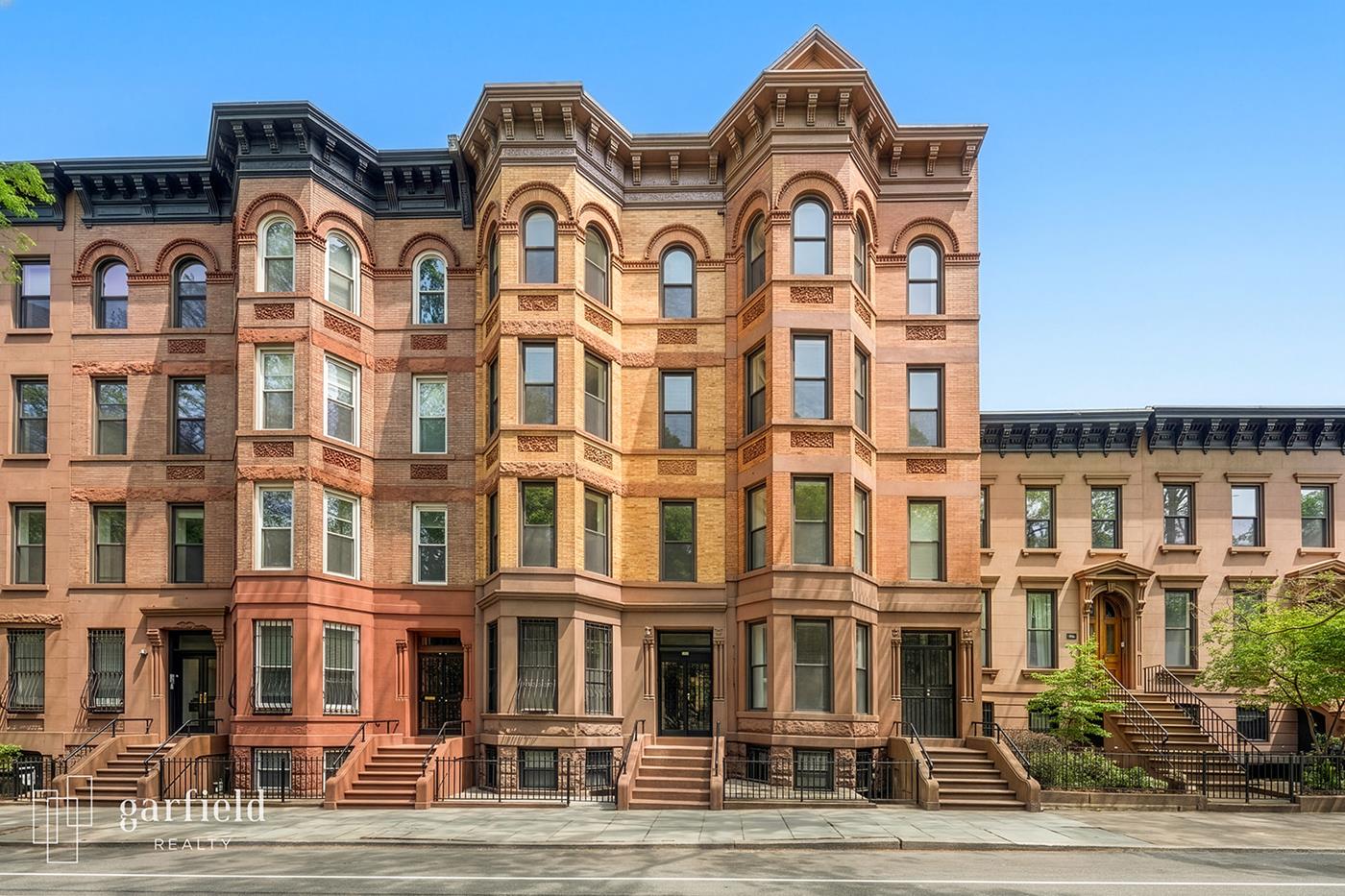
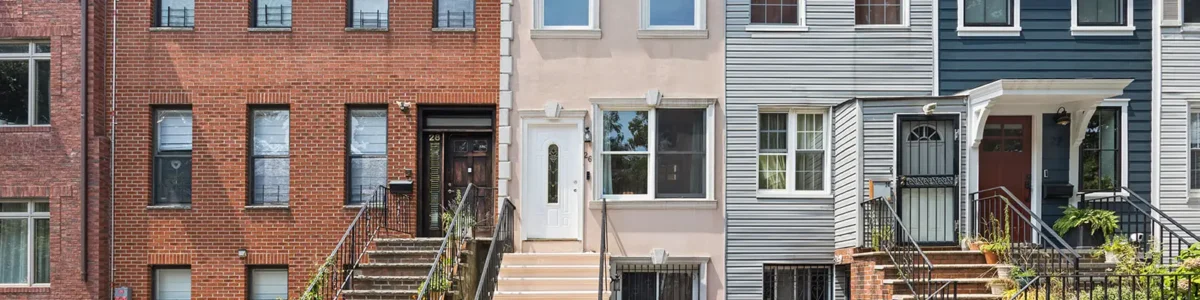
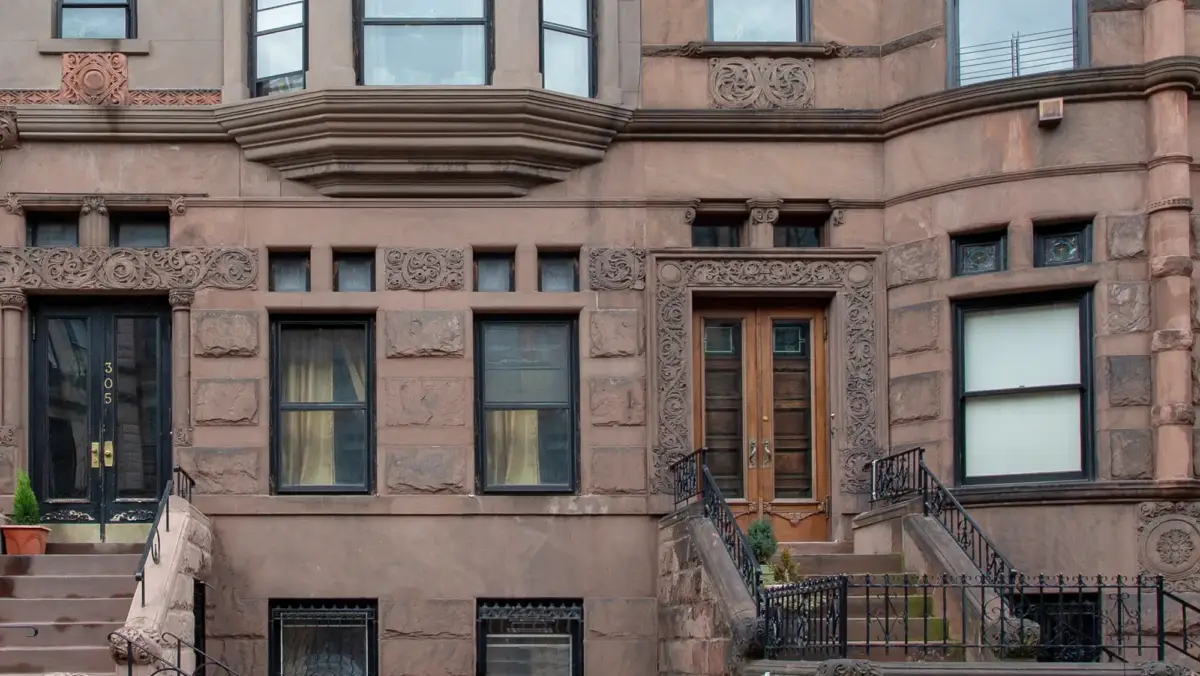
As we cover in our Brooklyn Façades post, true brownstones feature warm, reddish-brown sandstone, a stately stoop and high ceilings inside. Many Park Slope rowhouses are instead clad in limestone or brick, but they’re often grouped under the brownstone label for their similar scale and character. People are drawn to brownstones for their architectural detail, historic charm and space.
Park Slope is part of what’s considered Brownstone Brooklyn—the central neighborhoods of our borough where these homes are most prominent. Carroll Gardens, Cobble Hill, Boerum Hill, Brooklyn Heights, Fort Greene, Clinton Hill, Prospect Heights, Crown Heights and Bed-Stuy are also part of Brownstone Brooklyn.
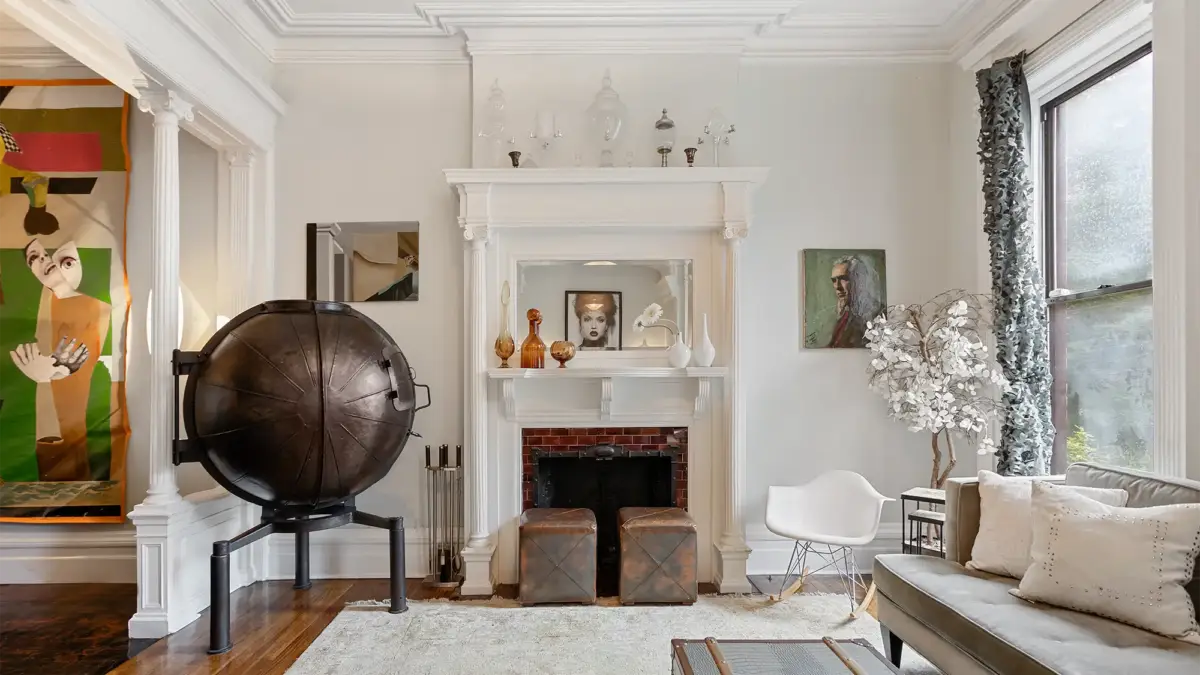
Brownstones often retain original details like fireplace mantels, ornate plasterwork, ceiling medallions and hardwood floors. As multi-level single- or two-family homes, they give owners flexibility to keep it as a single residence, or rent out a floor or garden unit for income.
Some Park Slope brownstones sit within the Park Slope Historic District, which protects architectural integrity and the streetscape. Historic District designation tends to support long-term value, though it also adds a layer of process for any exterior work.
What’s the first thing I should do to prepare my home for sale?
As spelled out in our Selling Guide, the first step is to gather your documents:
- Deed
- Property tax bill
- Any exemption paperwork like STAR
- Current mortgage statement showing balance
- Certificate of Occupancy
- Any permits pulled
- A DOB/ECB violations check
- Boiler service records
- Oil tank documentation if applicable
- Warranties
- Any current leases
Next, it’s a wise time to consult a Park Slope real estate agent who knows the neighborhood. A good local agent can give you a realistic read on what comparable homes have sold for, what yours is likely to sell for, which improvements (if any) might increase the value and a realistic timeline.
Should I sell my home as-is or renovate first? And which repairs do I actually need to make?
A real estate agent who knows your block can give you specific guidance. As a general rule, address the visible, low-cost issues first: chipped paint, loose doorknobs, dripping faucets, scuffed floors, a tired front door. These are the things buyers notice immediately and read as deferred maintenance.
Larger renovations are more nuanced. In our 5 Real Estate Truths post we outline how not all renovations are equal.
Thoughtful, strategic improvements like enhancing light, opening up layouts or updating your kitchen and bathrooms can typically recoup a meaningful share of their cost and can shift a home into a stronger price tier.
Full gut renovations and highly personalized choices, on the other hand, often don’t pay back. The wrong renovation is one that pushes your asking price past what the market will support, or one that’s too specific in taste to appeal to a broad buyer pool.
Marketing Your Home
Are professional visuals necessary?
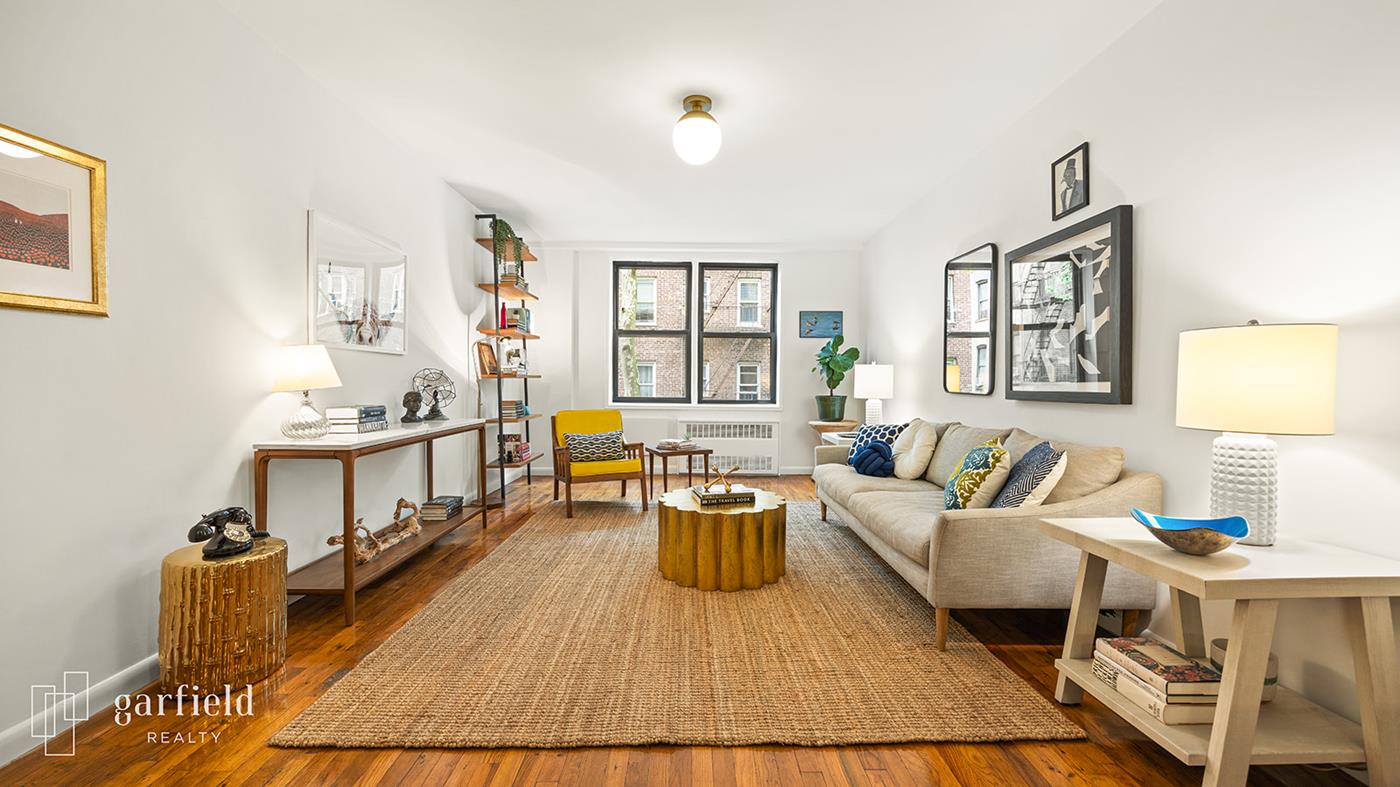
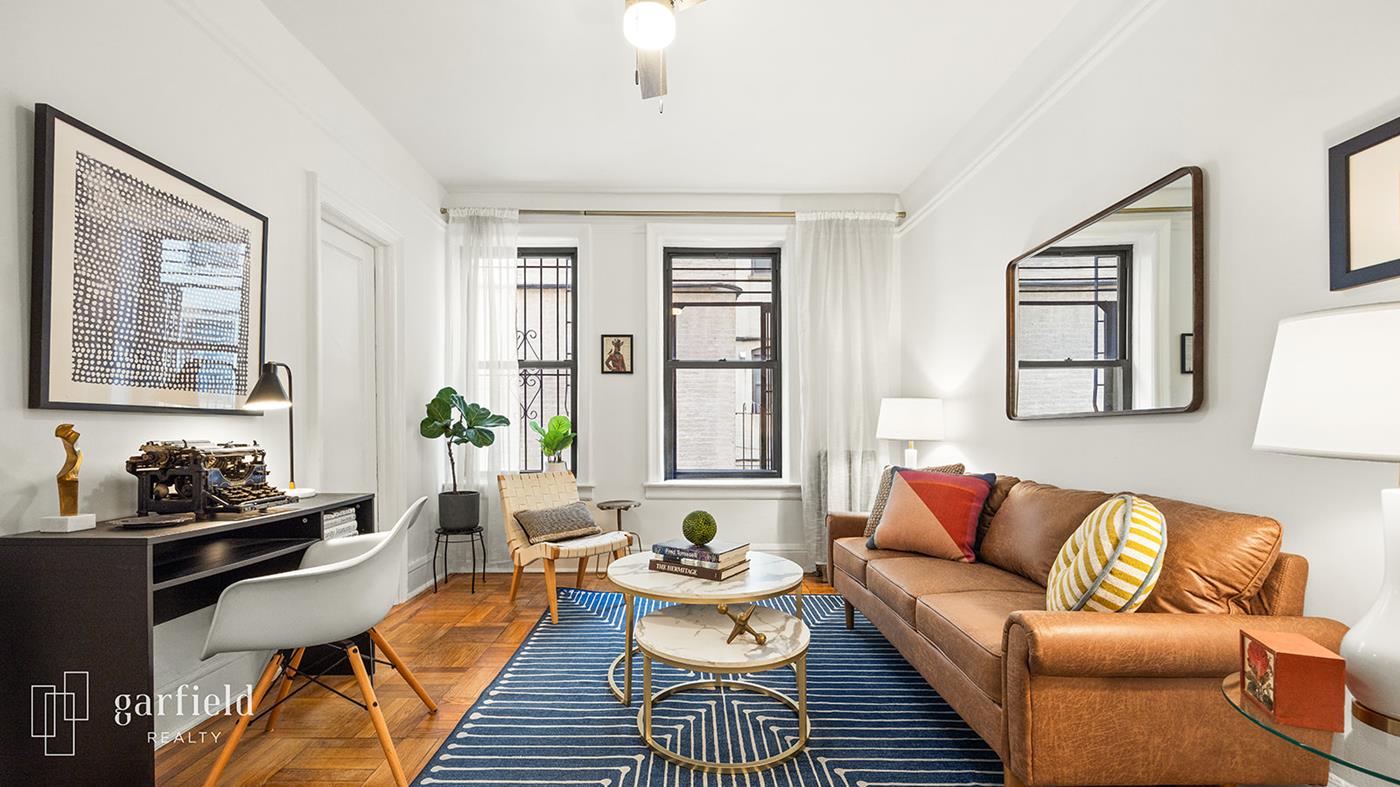
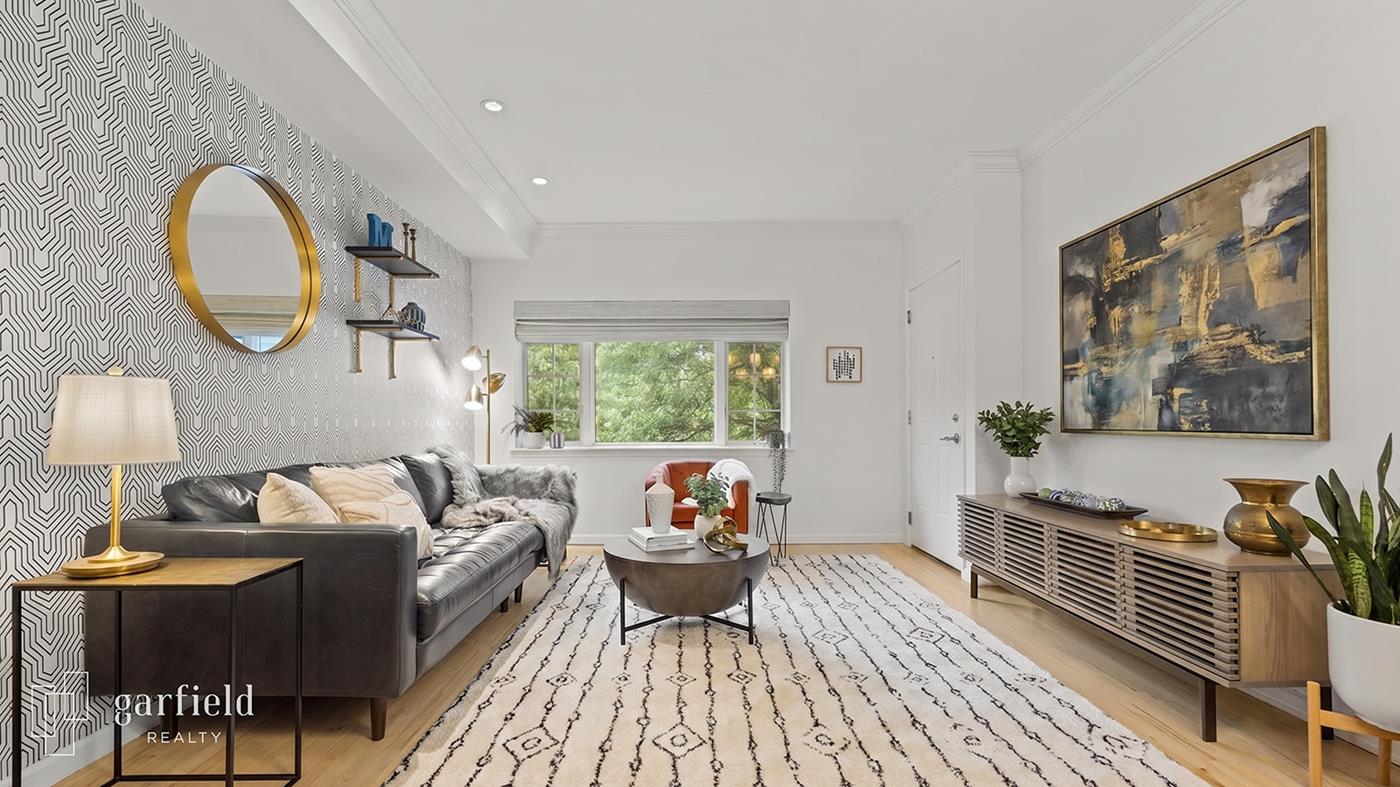
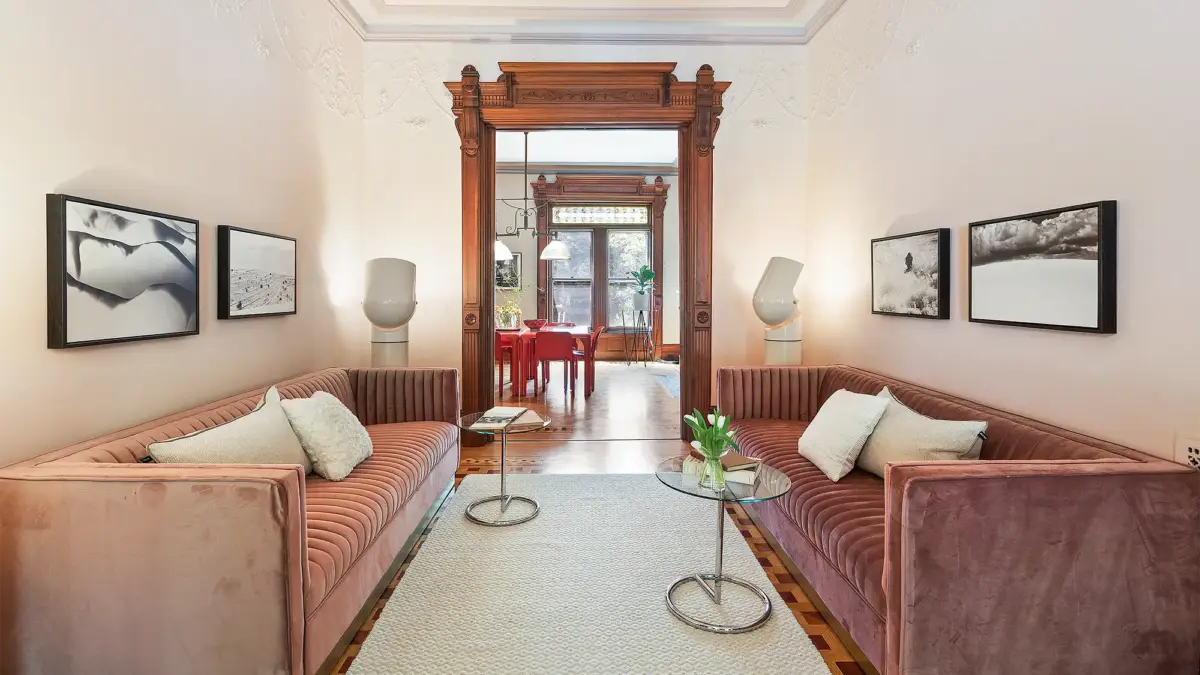
Almost every buyer searches online before they ever walk into a home and 81% of them consider listing photos to be the most important factor when evaluating a property. Professional photographers know how to shoot for light, frame for scale and emphasize a home’s strongest features. A floor plan adds another layer, and buyers spend real time studying them, especially in townhouse layouts.
Professional photography and floor plans attract more attention, generate more showings and therefore tend to translate into stronger offers.
Do I need a real estate agent to sell my Park Slope brownstone?
There’s no rule requiring it, but an agent who specializes in Park Slope knows the local market, where to advertise, what’s selling and why, what buyers are looking for, how to handle bidding wars, and how to navigate the inevitable surprises that come up between offer and closing.
Neighborhood agents also tend to have working relationships with other agents in the area, which matters for turnout and exposure. They bring a vendor network too—staging, photography, painters, handymen, plumbers, electricians—which can be the difference between listing in three weeks and listing in three months.
When is a good time to sell in Park Slope?
Your agent is the best person to answer this for your specific home. On our Selling Guide page, we mention that as a general rule, spring is the strongest season in Park Slope, with fall a close second. August and December are slower because buyers are on vacation or focused on holidays, though serious buyers are active year-round.
Beyond the calendar, your agent can read the broader picture that includes whether it’s a buyers’ or sellers’ market right now, whether bidding wars are common at your price point, whether you should list immediately or wait, and how to build a strategy around your specific goals.
How does the Brooklyn real estate market affect my listing price? And how do I price my Park Slope brownstone correctly?
A hard truth is that the market doesn’t care what you paid for your property. A local agent will run a Comparative Market Analysis (CMA)—looking at recent comparable sales, current competing inventory, location, size, condition, amenities and market conditions —to land on a price that aligns with what buyers are actually paying right now.
The goal of pricing isn’t to test the ceiling. It’s to attract a wide pool of qualified buyers quickly, which is what creates competitive offers and gets you the strongest bids.
How long will it take to sell my home in Park Slope?
It depends on the season, your asking price, the home’s presentation, current buyer demand, competing inventory and broader economic conditions. A skilled agent will have a strategy for each scenario.
In a heated seller’s market, a typical playbook is to list midweek, hold a private preview, run open houses over the weekend and request highest/best bids by the following week. In a slower market, the strategy shifts and pricing precision, presentation, and patience all mater more, and longer timelines are normal.
Should I stay home during open houses?
No. Buyers need space to walk through your home, talk freely with their agent and imagine themselves there. That’s hard to do with the current owner present, with pets underfoot or with too many personal items on display.
Step out during showings, take pets with you and let the home speak for itself.
From Offers to Closing
How do I handle multiple offers?
Price is the first thing most sellers look at, but it’s not the only thing that matters. Terms, contingencies, financing strength and proposed timeline all factor in. An all-cash offer at a slightly lower number, with a quick close, can sometimes be the strongest pick. An experienced agent will walk you through each offer side by side and help you see what’s actually being proposed.
What closing costs should I expect when selling in Brooklyn?
Sellers in Brooklyn typically pay New York State and New York City Real Property Transfer Taxes, the broker commission, attorney fees and mortgage-related fees if there’s an existing loan to pay off. Our Financing Guide has a fuller breakdown of what to expect.
Selling a Park Slope brownstone is as much an art as it is a transaction. Presentation and representation make the difference between a basic outcome and a strong one.
Your Park Slope Brownstone Deserves a Park Slope Expert

Garfield Realty has been based on 7th Avenue in Park Slope for over 30 years. We know the market, the buyer pool and what it takes to get a brownstone sold.
Our Park Slope-based team has lived and worked in Brownstone Brooklyn for decades—and some of us were born here. We’ve personally rented, bought, renovated and sold homes in this neighborhood, and we put that firsthand experience and our local relationships to work for every listing we take on.
Selling your brownstone?